
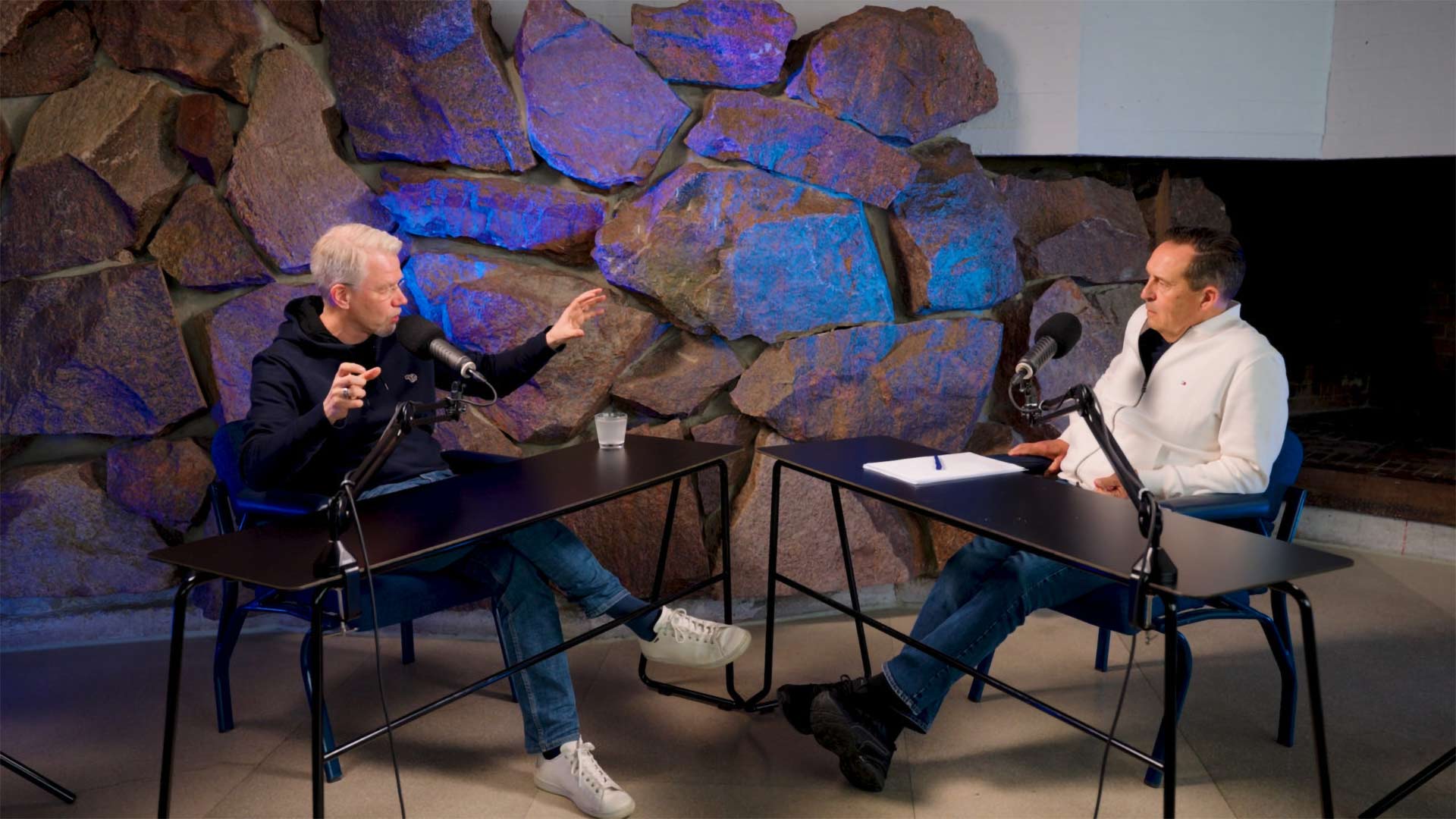
Sustainability is not a separate reporting project. At its best, it is a way to build a company that can succeed for decades to come. In this episode, we discuss how strategy, sustainability, and business development should work together as one integrated approach.
Podcast: Future Resilience Podcast: Why Sustainability Is Not Just Part of Strategy — It Is the Foundation of It
🤖 AI Summary – 5 Key Insights
🎁 Premium content preview: This content is normally available only to Premium users. Explore it to see what Premium includes.
- Listening to stakeholders can reveal a company’s biggest growth opportunities.
- Sustainability should not be separate from strategy — it should be part of it.
- The most important return on investment may simply be that the company still exists 30 years from now.
- Sustainability is about much more than emissions. It also includes people, risks, customers, and competitiveness.
- Small and medium-sized businesses are not outside sustainability requirements, as expectations increasingly flow through supply chains.
Podcast Executive Briefing
🎁 Premium content preview: This content is normally available only to Premium users. Explore it to see what Premium includes.
Sustainability Is Not a Report — It Is a Better Way to Build a Business
Podcast: 4:06
For many companies, sustainability has become a complicated and sometimes overwhelming topic.
People often think about reporting requirements, regulations, and spreadsheets. What is easily forgotten is that sustainability was never originally about reporting. It was about building stronger and more successful businesses.
Many well-managed companies were already operating sustainably long before ESG frameworks and sustainability standards existed. They listened to customers, took care of employees, managed risks, and made decisions with the long term in mind.
Reporting brings structure and transparency, but it should not be the main goal.
When sustainability is seen only as an obligation, it becomes a cost. When it is seen as a way to build a stronger company, it becomes an investment.
A Strategy Without Sustainability Is Not a Long-Term Strategy
Podcast: 7:15
Many companies still treat strategy and sustainability as separate topics.
Strategy is discussed in one workshop. Sustainability reporting is handled somewhere else.
Yet both are trying to answer the same question:
How can the company succeed in the future?
When these topics are separated, sustainability often becomes an administrative exercise with little impact on real business decisions.
A better approach is to combine them.
In that model, sustainability is not a separate goal. It becomes a perspective that influences everything, including investments, customer experience, people management, risk management, and growth.
The question is simple:
If a strategy cannot withstand the future, how good is that strategy really?
What If We Measured the Real Return on Sustainability?
Podcast: 11:53
Most companies are good at calculating the return on investments.
But few stop to ask:
What is the return on sustainability?
The benefits are often searched for in the wrong places.
Sustainability may not increase sales next quarter. Instead, it may help attract talented employees, improve customer loyalty, reduce risks, or create better financing opportunities.
If a company avoids a major crisis, keeps a key employee, or wins an important customer because of its sustainability performance, the impact can be significant.
The most interesting perspective is the long-term one.
The true return may not be measured as an annual percentage.
It may simply be that the company is still successful when some of its competitors are no longer around.
Sustainability Is About More Than Climate and Emissions
Podcast: 20:54
When sustainability is discussed, the conversation often focuses on climate change.
Climate is important, but it is only one part of the picture.
A company’s impact can also be seen in how it treats employees, how products are made, how supply chains are managed, and what kind of society its operations support.
For many consumers, sustainability means practical questions such as:
Was the product made under fair working conditions?
Is production located close to customers?
Does the company pay taxes responsibly?
Many Finnish companies already do a great deal of good work in these areas. Yet they often communicate very little about it.
That may become an important competitive advantage in the future.
A Future-Resilient Company Does Not Prepare for Next Year — It Prepares for the Next Decades
Podcast: 24:55
Perhaps the most important question for a company is not:
How do we grow next year?
But rather:
How do we make sure we are still here 30 years from now?
Future resilience means being able to succeed even when the world changes.
It means preparing for new technologies, changing regulations, supply chain disruptions, workforce changes, and evolving customer expectations.
Companies that understand this early do not only build efficiency.
They build resilience, adaptability, and long-term growth.
In the end, this is not about a sustainability project.
It is about building a company that can stand the test of time.