Important contents selected for ESG professionals.
Quick Briefings
Quickly understand what matters and why.
Micro Learnings
Build your ESG knowledge in small, practical steps.
ESG Ahead Habit
Staying ahead of EGS as a regular part of your work.
Why ExecutESG is sponsoring your access
We believe ESG Ahead can help ESG professionals stay informed more efficiently and turn external ESG developments into useful knowledge for their work.
That’s why ExecutESG is sponsoring your Premium access for the next 12 months.
– Veini Simolin, ESG and sustainability expert, ExecutESG Oy
See what you get with ESG Ahead
Here’s an example of the kind of ESG content ESG Ahead finds, curates and makes easier to follow. So you can see what matters without trying to follow everything yourself.
Staying updated with ESG is part of your job, but important learning easily gets pushed aside by meetings, email, deadlines and other more important things that never ends. Learn a simple way to make it a regular part of your work without trying to follow everything and without spending too much time for it.
Sustainability is not a separate reporting project. At its best, it is a way to build a company that can succeed for decades to come. In this episode, we discuss how strategy, sustainability, and business development should work together as one integrated approach.
Are sustainability reports really getting worse? Veini Simolin argues that declining information density tells only part of the story. Reports contain more information overall, while fragmented frameworks remain a major challenge for useful and comparable sustainability reporting.
Many organisations invest heavily in ESG, but valuable insights often remain in reports instead of influencing business decisions. Discover how Strategic ESG can turn data and stakeholder insights into shared priorities, stronger leadership decisions, action, and long-term business value.
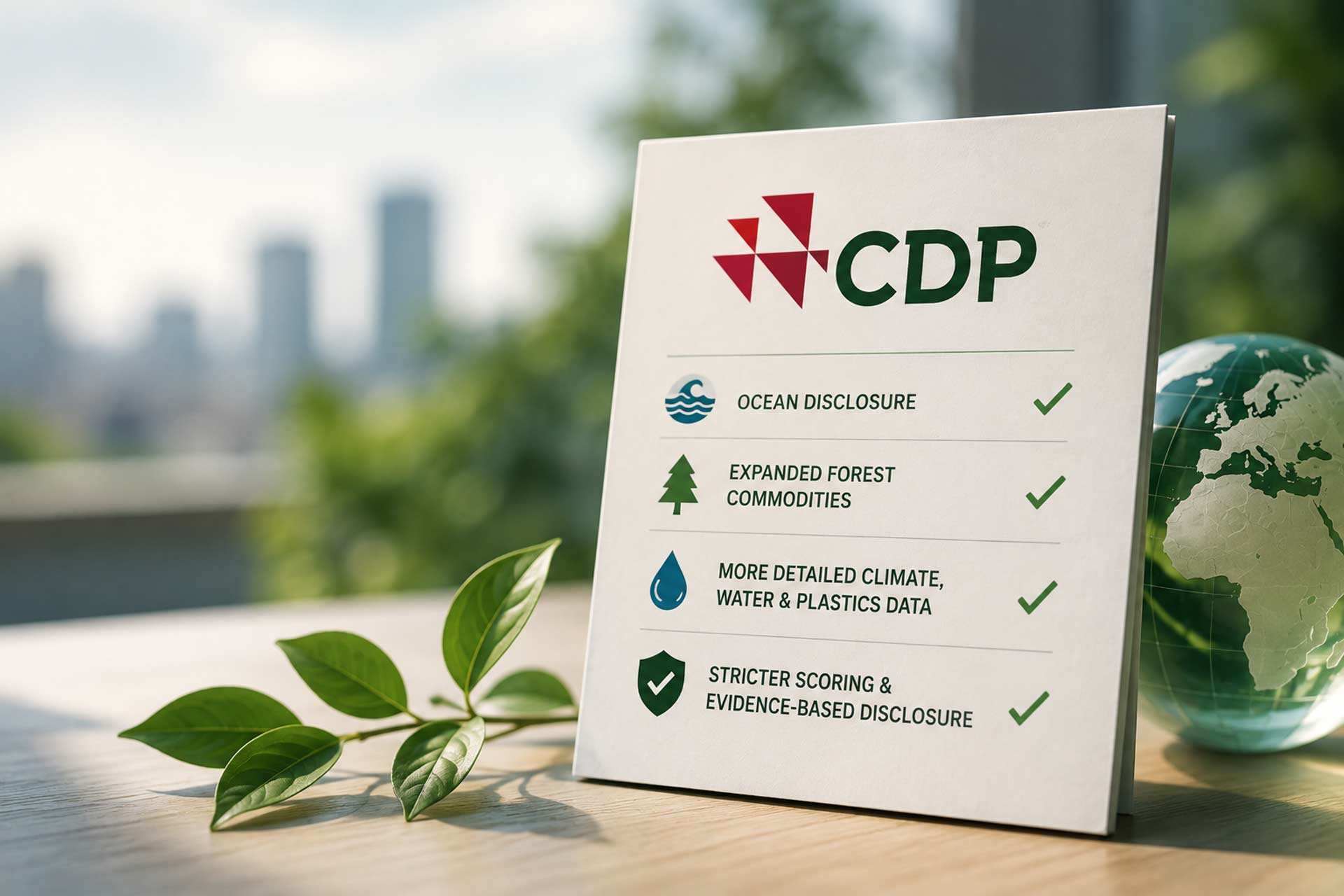
CDP’s 2026 reporting changes introduce new disclosure topics, stricter scoring and closer alignment with ISSB, CSRD and TNFD. Learn what these updates mean for companies and how organisations can prepare for the next generation of environmental reporting.
The EU has published simplified ESRS standards with around 70% fewer reporting data points, introduced flexible reporting options for FY2026, renamed VSME to VS, and outlined new electrification initiatives that could reshape Europe’s sustainability agenda.
The European Central Bank (ECB) has started incorporating climate risk into the way it assesses financial assets accepted as collateral. The move marks another step in bringing climate considerations into mainstream financial risk management and could gradually influence financing conditions for companies across Europe.
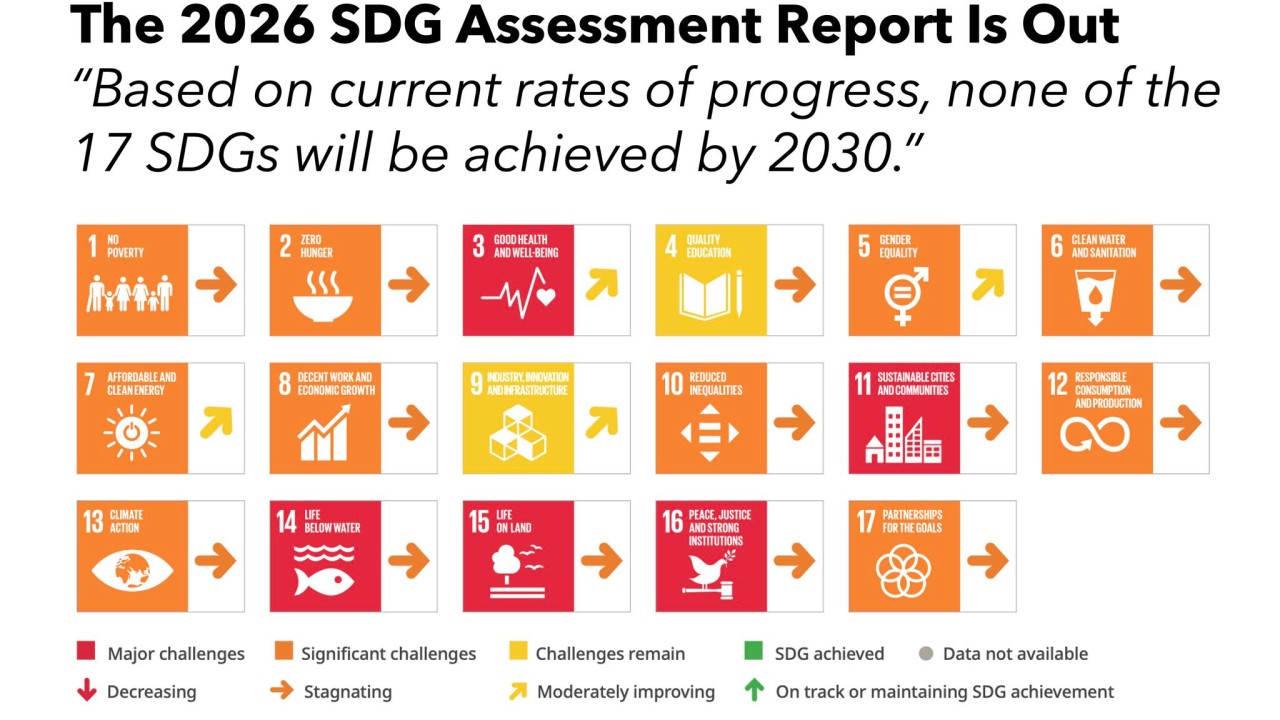
The latest UN report shows that none of the Sustainable Development Goals are on track for 2030. This week’s ESG news also covers the new SBTi Net-Zero Standard, proposed changes to EU sustainable investment categories, and practical lessons from SMEs demonstrating that sustainability reporting delivers value beyond compliance.
Many organizations still treat sustainability as a reporting obligation instead of a business opportunity. This podcast explains why sustainability should become an integral part of strategy, helping companies reduce risks, create competitive advantage, improve stakeholder relationships and build long-term business value.
ESG ratings have become a common tool for investors, companies, and regulators, but they are also facing growing criticism over inconsistency and lack of transparency. This talk explores why traditional ESG ratings are being challenged and argues that measuring real-world impacts could provide a more meaningful way to evaluate corporate sustainability.
ESG leaders have several opportunities to shape the future this week. New EU consultations invite companies to influence sustainability guidance, while Europe’s steel industry calls for realistic climate regulation. Meanwhile, sustainability-linked finance continues evolving by rewarding companies for achieving material ESG targets.
Curious about what it’s really like to work in ESG? Join Essi for an informal coffee break as she shares her career journey, lessons learned, and practical insights into the evolving role of today’s ESG professionals.
Global sustainability reporting continues to move toward greater alignment. This week’s ESG Ahead Brief explores the growing adoption of ISSB standards, the EU’s commitment to double materiality, international carbon market cooperation, and why clearer CSDDD guidance is becoming increasingly important for companies preparing for future reporting.
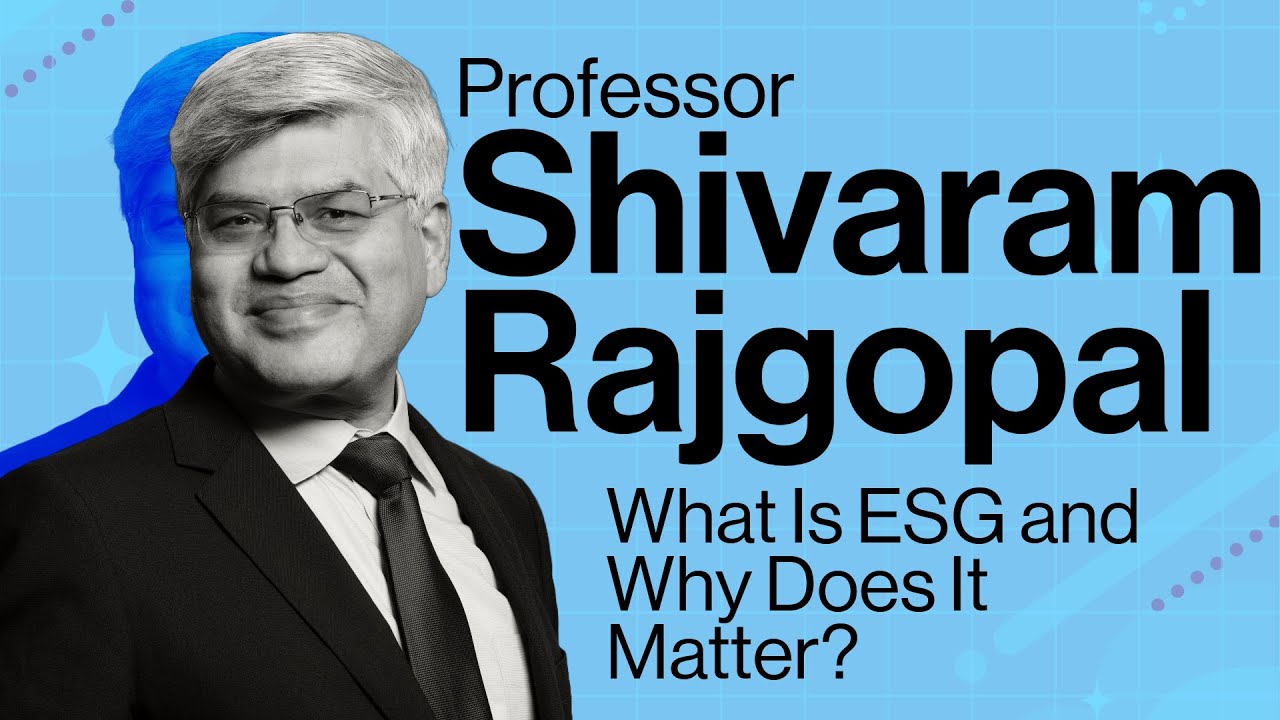
ESG is often viewed as a reporting and compliance topic. In this video, professor Shivaram Rajgopal explores a broader perspective: ESG as a way to understand risks, connect different viewpoints, and help organizations navigate long-term challenges and opportunities. 🤖 AI Summary – Key Insights Key Ideas from the Video: The Real ESG Challenge Is Not…
Global ESG reporting is becoming increasingly fragmented. This week’s blog explain what the latest developments in the US, EU and China mean for ESG leaders—and how to identify the business opportunities behind the changes.
Global ESG reporting is becoming increasingly fragmented. This week’s blog explain what the latest developments in the US, EU and China mean for ESG leaders—and how to identify the business opportunities behind the changes.
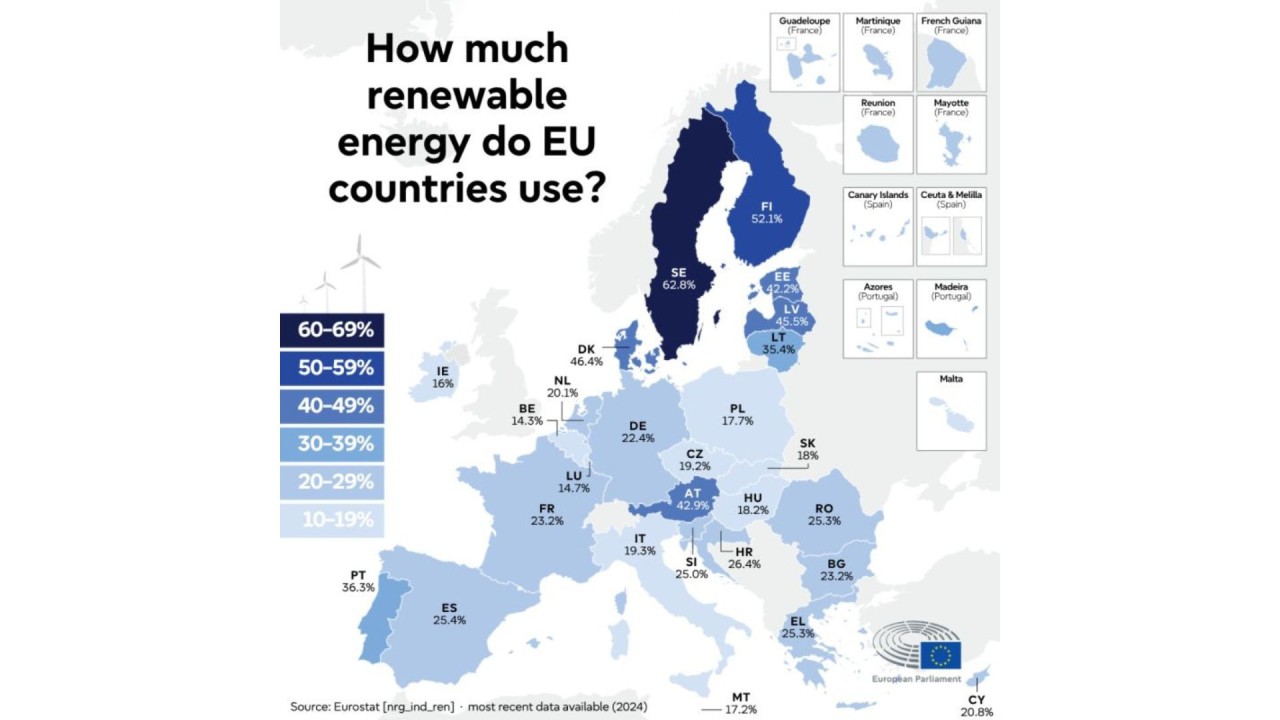
The EU sustainability reporting landscape continues to evolve. This week’s ESG Ahead Brief highlights the latest CSRD and ESRS developments, EFRAG’s first VSME report, ISSB’s new nature-related disclosures, and how shareholder action and renewable energy leadership continue driving ESG forward across Europe.
Less searching. Faster understanding. More time to create value.
Manage Consent
To provide the best experiences, we use technologies like cookies to store and/or access device information. Consenting to these technologies will allow us to process data such as browsing behavior or unique IDs on this site. Not consenting or withdrawing consent, may adversely affect certain features and functions.
Functional
Always active
The technical storage or access is strictly necessary for the legitimate purpose of enabling the use of a specific service explicitly requested by the subscriber or user, or for the sole purpose of carrying out the transmission of a communication over an electronic communications network.
Preferences
The technical storage or access is necessary for the legitimate purpose of storing preferences that are not requested by the subscriber or user.
Statistics
The technical storage or access that is used exclusively for statistical purposes.The technical storage or access that is used exclusively for anonymous statistical purposes. Without a subpoena, voluntary compliance on the part of your Internet Service Provider, or additional records from a third party, information stored or retrieved for this purpose alone cannot usually be used to identify you.
Marketing
The technical storage or access is required to create user profiles to send advertising, or to track the user on a website or across several websites for similar marketing purposes.