
Category: Article
Article or story.
-

The Revised ESRS Are Finally Here — What Happens Next? (1/4)
After a long period of uncertainty around EU sustainability reporting, the revised European Sustainability Reporting Standards (ESRS) are now final. For ESG teams affected by CSRD, this brings something important: a much clearer basis for deciding what sustainability reporting work needs to happen next.
-
What Actually Changed in the Revised ESRS? (2/4)
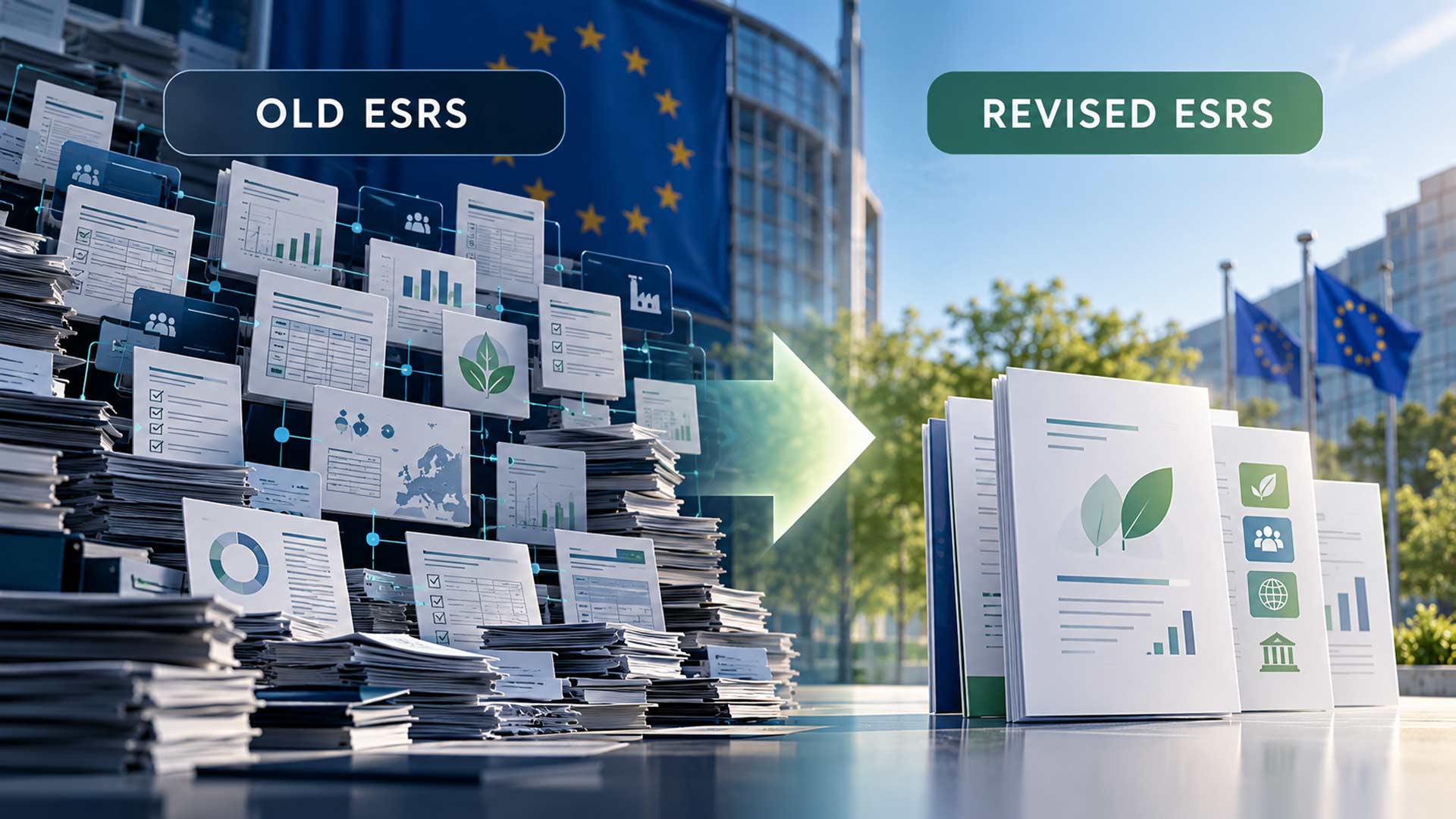
The revised ESRS have far fewer datapoints. But that is only part of the change. We compared the old and revised standards to find the most important changes — and what they mean for your reporting work.
-

Revised ESRS 2026: What Sustainability Information Do You Really Need From Suppliers? (3/4)
The revised ESRS change how companies should collect sustainability information from suppliers. Before sending another ESG questionnaire, check what information you actually need, whether you need to ask the supplier directly, and what the new value-chain cap allows.
-
How the EU’s Revised ESRS Could Make SMEs Easier to Do Business With (4/4)
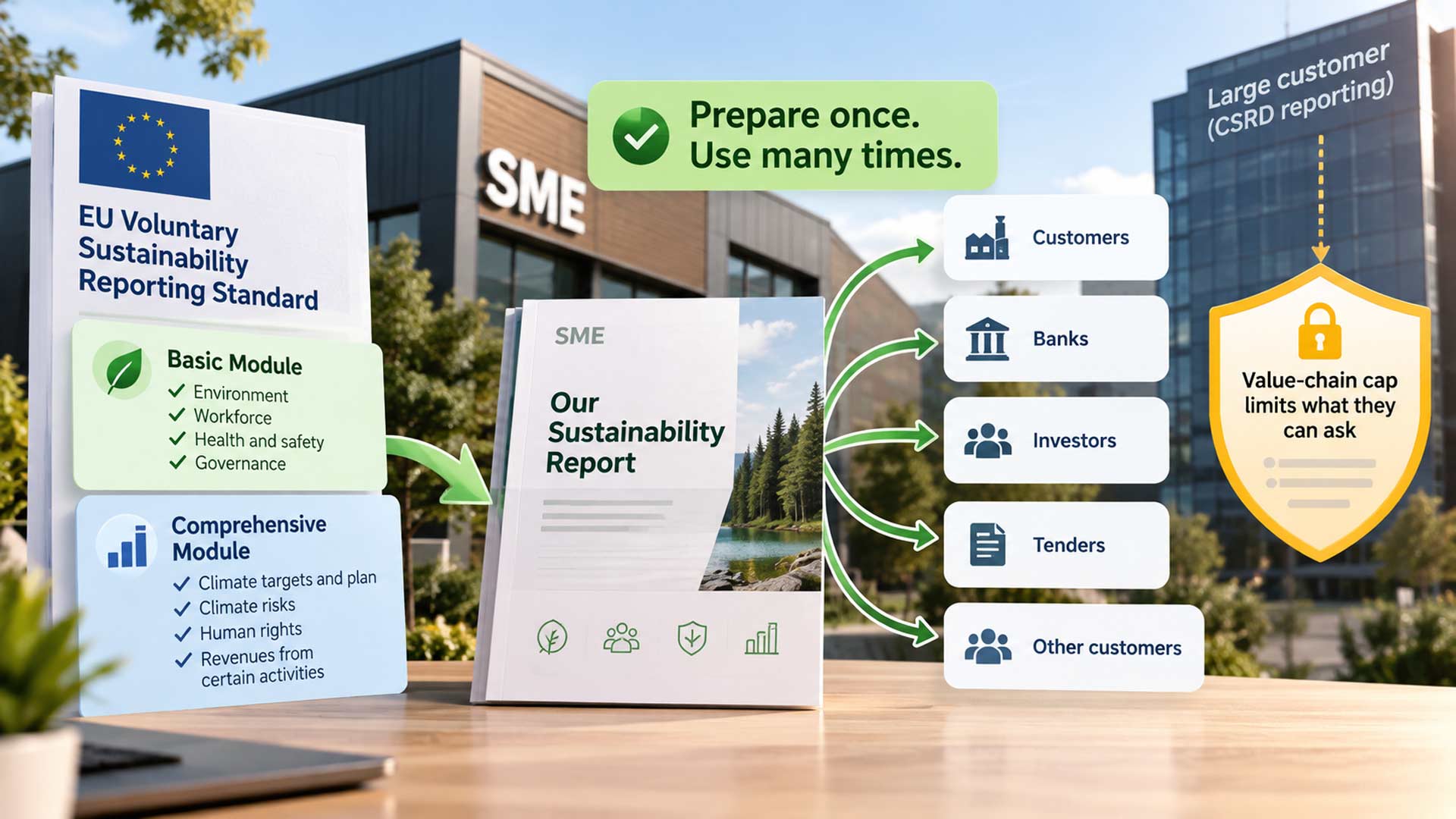
The new EU Voluntary Sustainability Reporting Standard gives companies outside mandatory CSRD reporting a standard way to prepare sustainability information before customers ask for it.
-

Electricity Is Becoming a New Risk for Corporate Climate Transition Plans
Electrification is a key part of many climate transition plans. But in some parts of Europe, limited grid capacity is making it harder for companies to get the electricity capacity they need. This could delay companies’ climate plans. ESG managers should make sure this risk is understood and addressed.
-

How ESG Can Become a Strategic Leadership Tool
Many organisations invest heavily in ESG, but valuable insights often remain in reports instead of influencing business decisions. Discover how Strategic ESG can turn data and stakeholder insights into shared priorities, stronger leadership decisions, action, and long-term business value.
-
CDP 2026 Raises the Bar for Environmental Disclosure
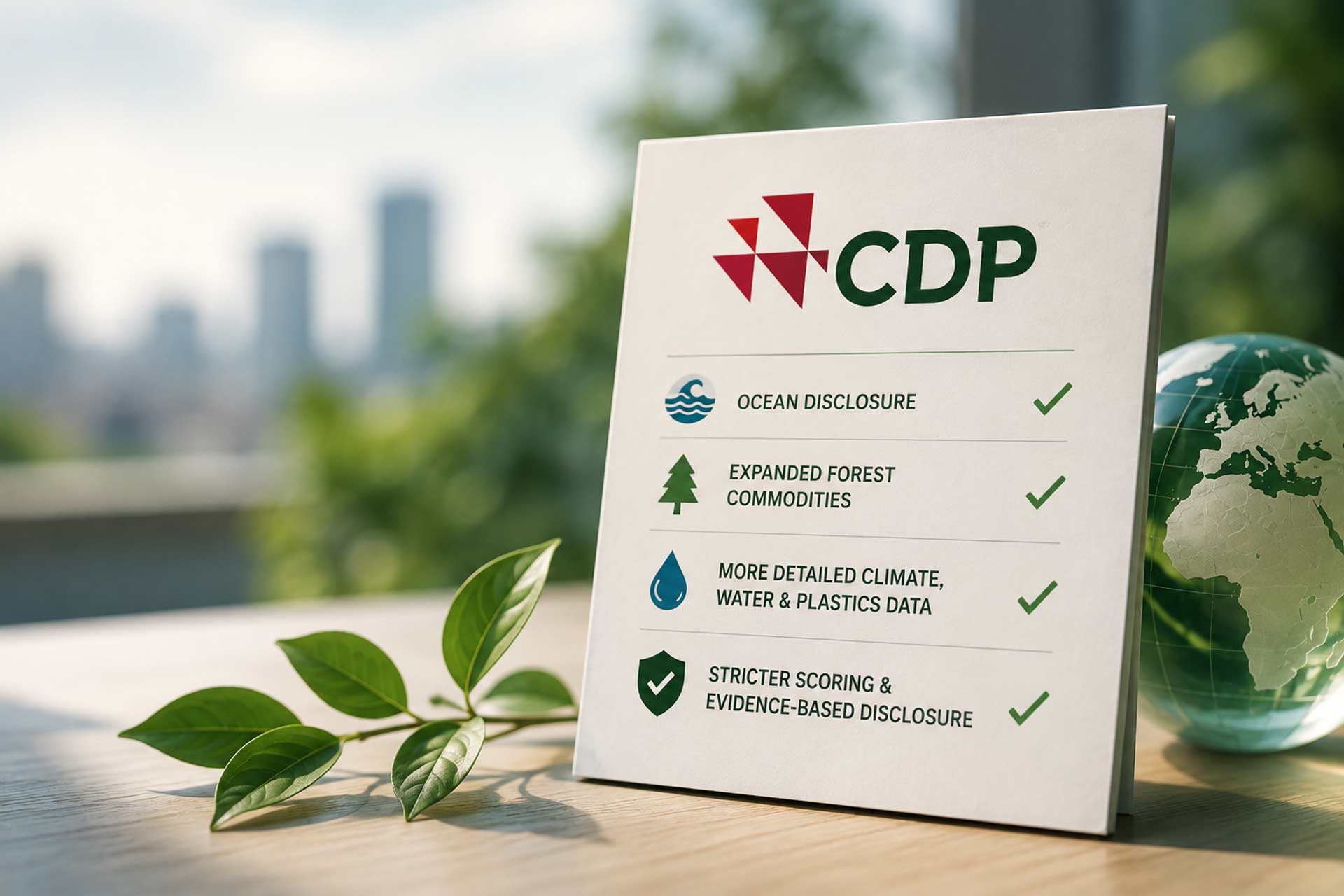
CDP’s 2026 reporting changes introduce new disclosure topics, stricter scoring and closer alignment with ISSB, CSRD and TNFD. Learn what these updates mean for companies and how organisations can prepare for the next generation of environmental reporting.
-

ECB Begins Factoring Climate Risk into the Assets Banks Use for Financing
The European Central Bank (ECB) has started incorporating climate risk into the way it assesses financial assets accepted as collateral. The move marks another step in bringing climate considerations into mainstream financial risk management and could gradually influence financing conditions for companies across Europe.